Waste matters
- Mirko Vlahovic
- 8 may 2017
- 2 Min. de lectura

In one of my first posts, I talked about means for achieving sustainability, which should be represented by a wide range of actors, i.e. governments, institutions, households and individuals. Therefore, institutions have a relevant role. This means that new institutions should be created and the ones that exists should have the capacity of being adaptive in order to face the great challenges of sustainability.
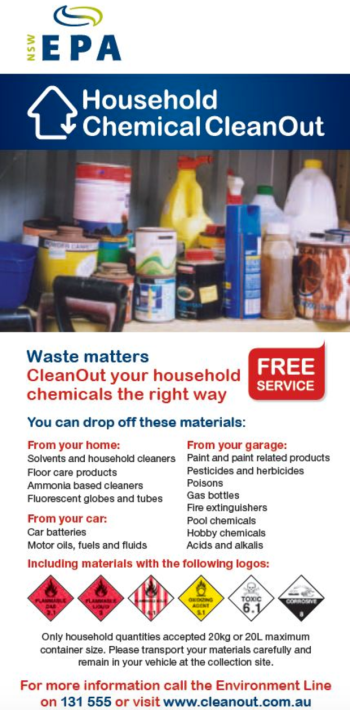
A good example of ‘Institutions for Sustainability’ is the The NSW Environment Protection Authority (EPA). Since it was established in February 2012 as a statutory authority with an independent governing Board, it has been working in managing environmental issues, respond to pollution incidents and emergencies, and enforce environmental regulations (EPA 2015).
One of its initiatives that caught my attention this week, after receiving an informative flyer during a walk to Coogee beach, is the one called Waste Less, Recycle More. This is a free service initiative regarding to a clean out of household chemicals. The EPA lists in their webpage, all the recycling centers where the chemicals can de dropped off, or if f there is no recycling centre in your area, you can take these items and others to a ‘Chemical CleanOut’ event. For example, this Saturday 29th of April there is an event in Clovelly Beach Car Park. This shows how things can be made in a more global way, a state scale, other than a more local initiative like the one of the University of New South Wales discussed in a previous post.
I think that more institutions and initiatives like this are key for sustainability goals success. This example displays some relevant features that adaptive institutions should have, like a stated vision and set of goals, information generation (webpage and flyers delivery) and participatory (community is involved).
Although, it would be important to know the disposal treatment that this waste is given. It would be sad to see in the future that this could become a similar case to what happened with some Australian e-waste, which as informed by media reports, was found in African dumps (ABC News 2017).
Comentarios